EspumiDream

EspumiDream

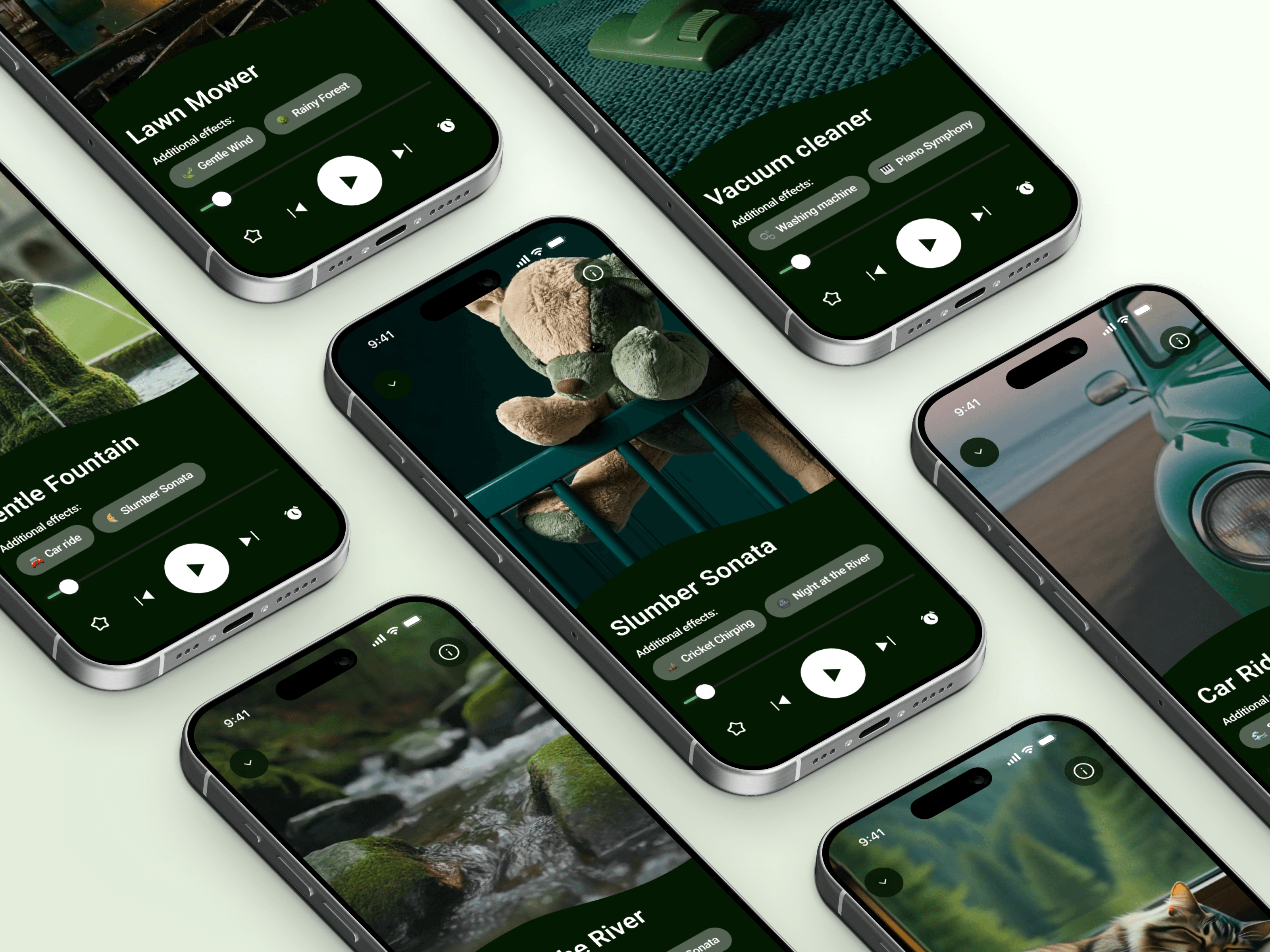
Digital white-noise companion for babies and their parents
Usability Engineering

2025 - 2026

Berlin-Chemie AG

Project profile

Berlin-Chemie AG is one of Europe's most significant pharmaceutical companies, and with Espumisan, one of the most recognized brand names in infant care. The associated Espumisan Sleeping Sound App – a digital companion for parents of newborns during the toughest weeks of family life – had existed since 2010 but had gradually become outdated: an aging interface, lacking accessibility, serious usability issues at exactly the moments when it matters most. And users felt it.


As part of a strategic relaunch, Berlin-Chemie AG commissioned a complete reconception of the app – under the name EspumiDream. The goal: to preserve the emotional core of the app, which had always resonated well with users, and transform it into a modern, accessible, and scalable product – as a digital sleep solution for babies and parents, rolled out across up to 10 countries in the CEE/CIS region.

Mission statement

It's 3 AM. The baby is crying. The parents have been chronically exhausted for weeks. In this moment, an app shouldn't just work - it should start instantly. Without searching, without zooming, without frustration.


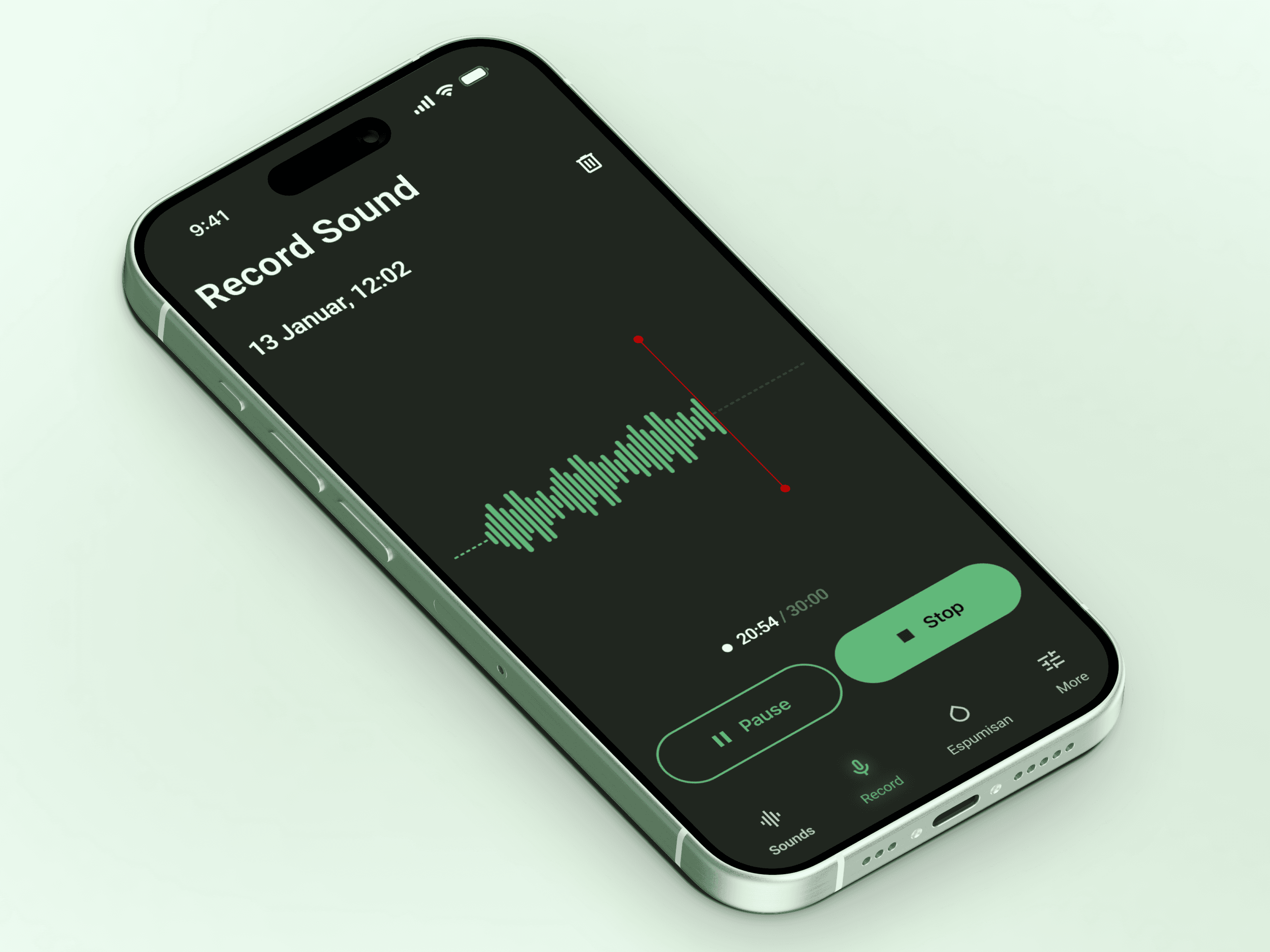
This is exactly where the old Espumisan Sleeping Sound App failed. A UX check at the start of the project exposed the weaknesses: elements were hard to recognize, key controls were barely usable under stress, there was no fade-out for the critical moment of falling asleep - and the custom recording function, one of the most popular features, was simply broken. All of this in an interface design from 2010. The store ratings reflected it: the content was praised, the usability was not.


The task for the two-person creative team was clear: preserve the emotional core of the app and transform it into a modern, accessible, and scalable product - from requirements analysis through the complete UI/UX redesign to WCAG AA standards to preparation of a coordinated rollout for up to 10 countries.

BELFRY

MEDICAL COMPANION

MDR-compliant mobile Health App for a physical Medical Device

Usability Engineering

2025 - 2026

Berlin-Chemie AG

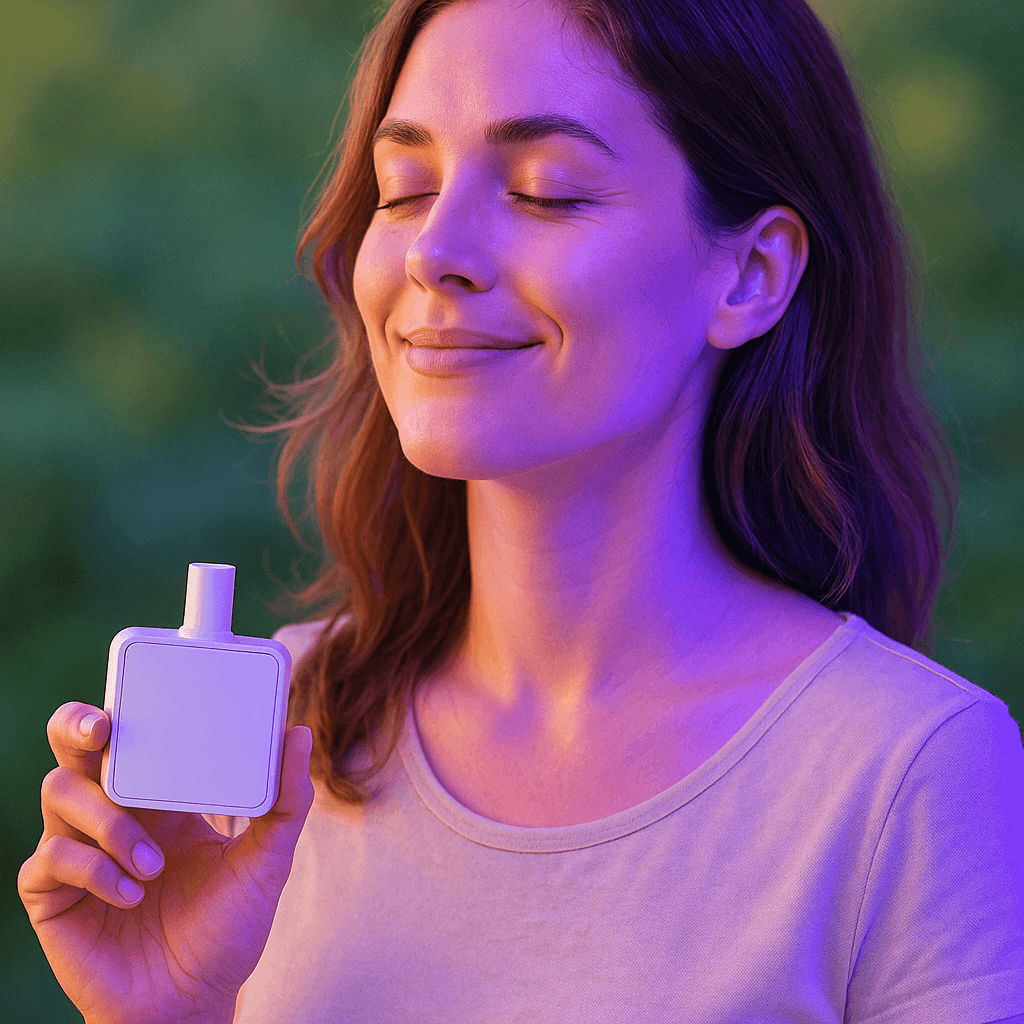
Belfry Medical specializes in controlled medical substance therapy through an advanced inhalation device, offering microgram-level precision dosing.


To improve treatment monitoring and help patients take control of their therapy, my team and I designed the user-centric Belfry Medical Companion App. This MDR-compliant mobile health solution offers full transparency throughout the treatment process, reduces the risk of addiction and misuse, and optimizes both outcomes and cost efficiency.


The Belfry Medical Companion supports responsible use of the cannabis inhaler by tracking device status, recording therapy data, and serving as a symptom diary. It logs usage history, provides timely reminders, and seamlessly links key inhaler functions to the user’s smartphone.

Mission Statement


Mission statement

Mission statement

Our team designed the Belfry Medical Companion App — a user-focused, compliant digital tool that provides patients with transparency and control over their therapy. By tracking device status, recording detailed therapy data, and offering a symptom diary, the app helps reduce the risk of addiction and misuse while optimizing treatment outcomes and cost efficiency. Features such as usage history, timely reminders, and smartphone-linked inhaler controls ensure patients can manage their therapy responsibly and with confidence throughout the entire treatment process.

It's 3 AM. The baby is crying. The parents have been chronically exhausted for weeks. In this moment, an app shouldn't just work - it should start instantly. Without searching, without zooming, without frustration.


This is exactly where the old Espumisan Sleeping Sound App failed. A UX check at the start of the project exposed the weaknesses: elements were hard to recognize, key controls were barely usable under stress, there was no fade-out for the critical moment of falling asleep - and the custom recording function, one of the most popular features, was simply broken. All of this in an interface design from 2010. The store ratings reflected it: the content was praised, the usability was not.


The task for the two-person creative team was clear: preserve the emotional core of the app and transform it into a modern, accessible, and scalable product - from requirements analysis through the complete UI/UX redesign to WCAG AA standards to preparation of a coordinated rollout for up to 10 countries.

Project profile

Project profile

Belfry Medical specializes in controlled medical substance therapy using an advanced inhalation device capable of microgram-level precision dosing. The company set out to complement this hardware with a digital solution that would enhance treatment monitoring, strengthen patient engagement, and support responsible therapy management. The goal was to create a mobile health application that not only integrates seamlessly with the inhaler but also meets strict MDR compliance standards for safety and reliability.

Berlin-Chemie AG is one of Europe's most significant pharmaceutical companies, and with Espumisan, one of the most recognized brand names in infant care. The associated Espumisan Sleeping Sound App – a digital companion for parents of newborns during the toughest weeks of family life – had existed since 2010 but had gradually become outdated: an aging interface, lacking accessibility, serious usability issues at exactly the moments when it matters most. And users felt it.


As part of a strategic relaunch, Berlin-Chemie AG commissioned a complete reconception of the app – under the name EspumiDream. The goal: to preserve the emotional core of the app, which had always resonated well with users, and transform it into a modern, accessible, and scalable product – as a digital sleep solution for babies and parents, rolled out across up to 10 countries in the CEE/CIS region.

Position and contributions

As Lead Usability Engineer, I led a two-person creative team and owned the project from first client contact through final validation. In close coordination with the Product Owner, Team Lead Digital Marketing, and International Product Manager on the client side, the role encompassed the entire design process – from requirements gathering and UX conception through UI design and design system development to summative validation via remote usability testing.


The chosen usability engineering approach placed particular emphasis on early measurability and consistent user-centricity. The results of the final validation confirmed the design decisions: a System Usability Scale score of 81 (rating: "Very Good"), a task completion rate of 86% across all core flows, and full WCAG AA compliance. The redesign is currently being prepared for coordinated rollout in up to 10 countries across the CEE/CIS region – the review process in the App Store and Play Store is underway.


Das Team

Project members obscured for data privacy reasons

Lead Usability Engineering

Research strategy and execution

Requirements analysis and conception

Creative strategy and art direction

UI-Designer

Interface Design

The Process

Step 1: UX Audit

A systematic analysis of the existing Espumisan Sleeping Sound App uncovered the key weaknesses: lack of accessibility, hard-to-recognize controls, missing fade-out for falling asleep, and a broken recording function. The findings formed the basis for prioritizing all subsequent design decisions.


Step 2: Requirements Gathering

In close collaboration with the Product Owner, Team Lead Digital Marketing, and International Product Manager, business goals, user groups, and the requirements of a multi-market rollout for up to 10 CEE/CIS countries were captured and structured.


Step 3: Product Ideation

Based on the identified weaknesses and requirements, initial solution directions were developed. Initial user journeys and rapid prototypes were created with the help of Claude Code, design direction sketches via Figma Make – with the goal of creating early validatable concepts without restricting creative freedom.


Step 4: User Stories Definition

The developed concepts were translated into structured user stories that served as the foundation for design and development. Claude Code and ChatGPT agents supported the formulation and ensured consistent coverage of all core flows.


Step 5: Solution Concept & Design

The complete UI design and a modular design system were built – compliant with WCAG AA across all screens. An initial draft of the component library was created with support from Claude Code. For the app's 40+ sound categories, visual video assets were generated using Adobe Firefly.

Step 6: Summative Validation Remote usability testing via the Useberry platform validated the redesign with real users. The results confirmed the design decisions: SUS score 82.5, task completion rate 86%, full WCAG AA compliance.
Product Insights

Woman with a smartphone in her hand

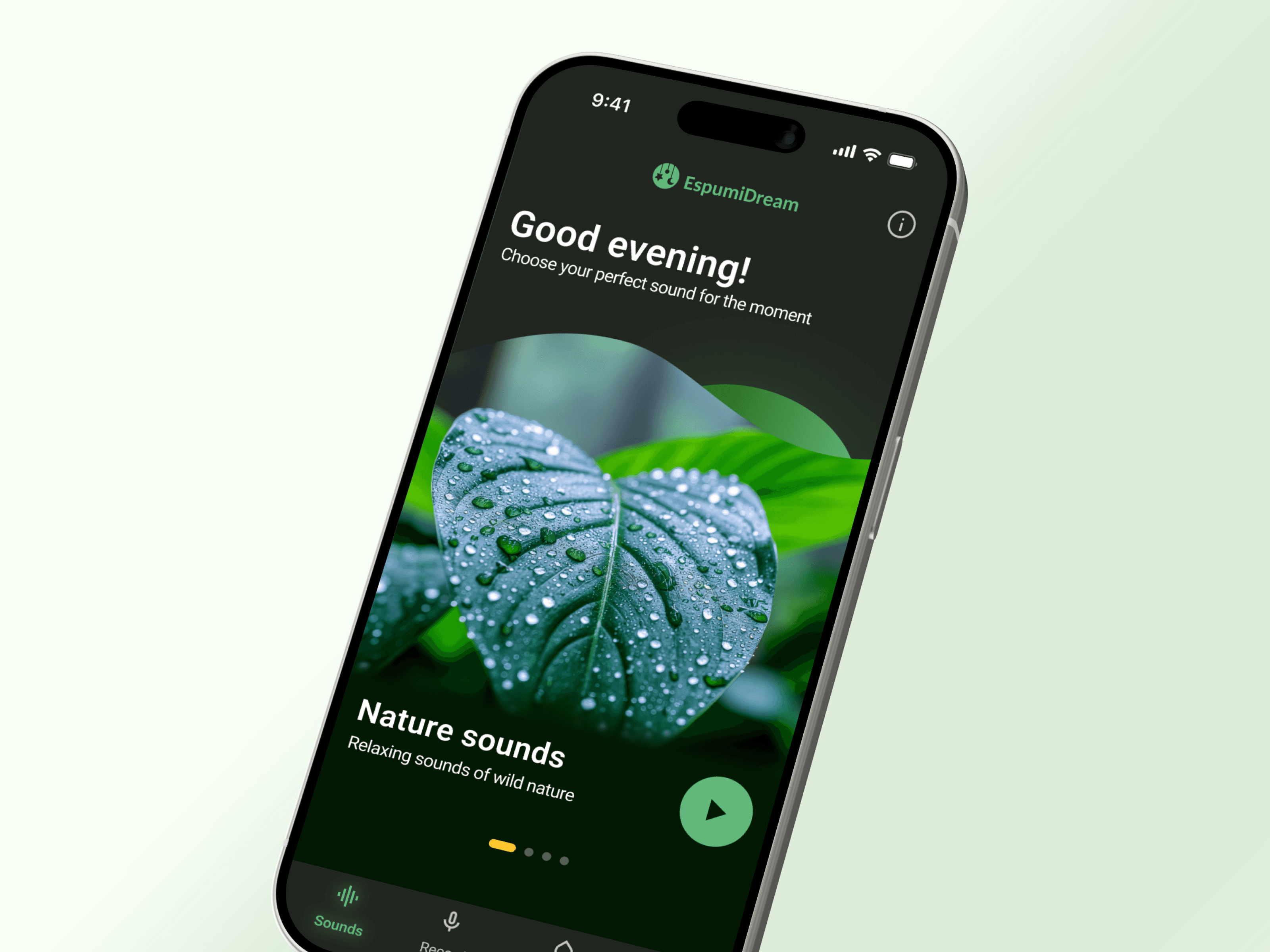
40+ Good Night Sounds

Three smartphones above each other

Start with just one click

Three smartphones above each other

Record own Good Night Sounds

Three smartphones above each other

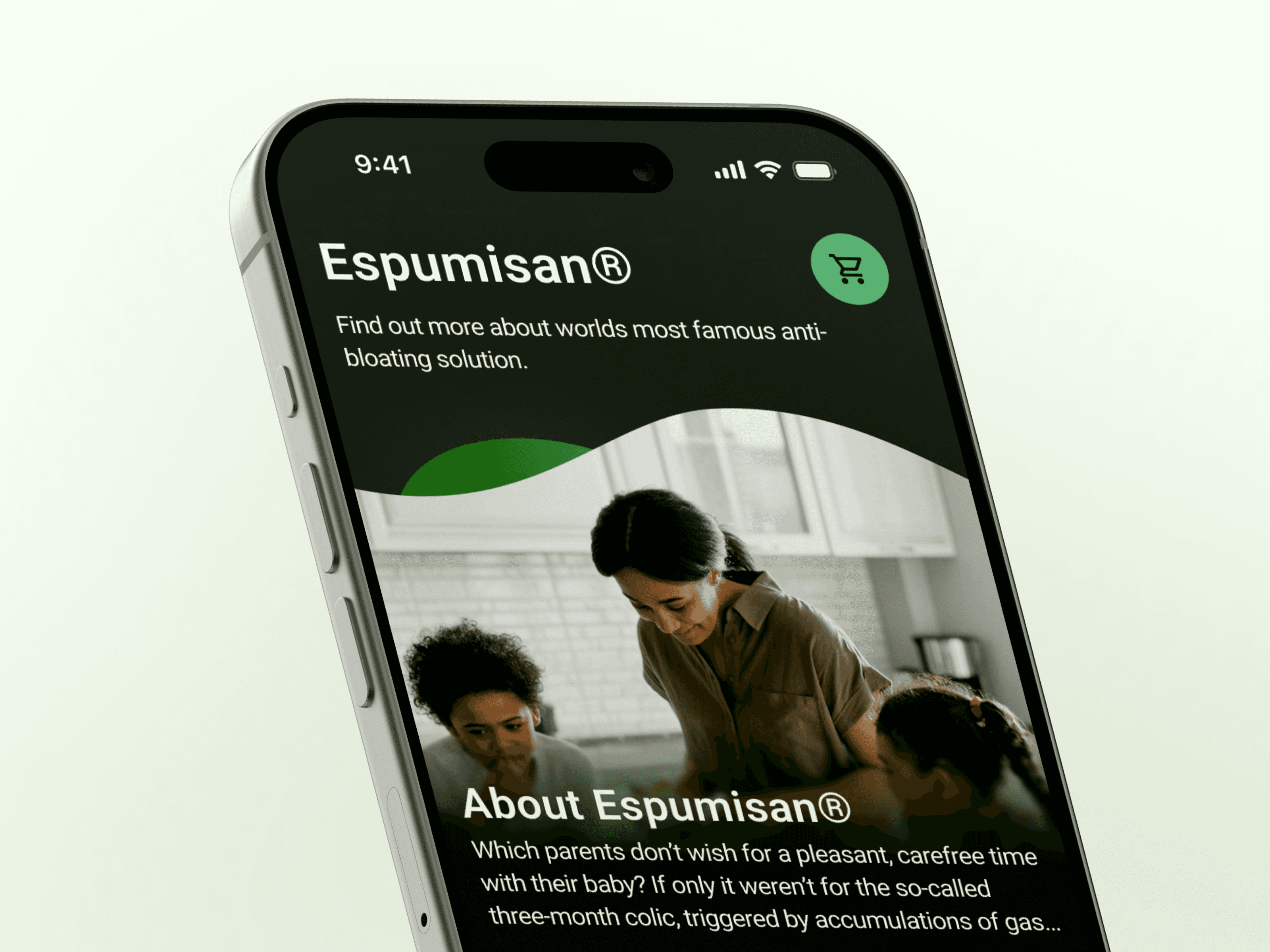
Focus on Espumisan®

Key Details & Numbers

Project duration

2 months

Target markets

up to 10 countries (CEE/CIS-Region)

Usability Tests conducted

10x

System Usability Scale-Score

81 (Ranking: "Excellent" per Bangor et al.)

Task Completion Rate in Usability Testing

86%

Error Rate in Usability Testing

7,3%

Methods

UX-Audit der bestehenden App

Eine systematische Analyse der Espumisan Sleeping Sound App identifizierte über 20 Usability Issues - von fehlender Barrierefreiheit über schwer erkennbare Bedienelemente bis hin zu defekten Kernfunktionen. Die Ergebnisse priorisierten alle weiteren Designentscheidungen.

AI-gestützte Ideation & User Stories

Erarbeitung erster Lösungsrichtungen und 23 User Stories mithilfe von Claude Code, ChatGPT-Agenten und Figma Make — von der initialen User Journey bis zur konsistenten Abdeckung aller Kernflows.

Solution Concept & Design

Aufbau eines modularen Design Systems mit 200+ Komponenten, 60+ Screens in WCAG-AA-Konformität und 40+ Video-Assets via Adobe Firefly — vorbereitet für vier Alphabetgruppen.

AI-Workflow

Claude Code

Ideation, Prototyping, Requirements Analyse, Design System Draft

Figma Make

Ideation, Design Draft

ChatGPT

User Stories Formulierung

Adobe Firefly

Video Asset Generierung

Software Stack

Figma

Confluence

Knowledgebase

Adobe Creative Suit

After Effects, Photoshop

Berlin, 2026.

All images are presented for portfolio and illustrative purposes only. They are not licensed for commercial use, reproduction, or distribution.

Berlin, 2026.

All images are presented for portfolio and illustrative purposes only. They are not licensed for commercial use, reproduction, or distribution.

Berlin, 2026.

All images are presented for portfolio and illustrative purposes only. They are not licensed for commercial use, reproduction, or distribution.